Listed as Near Threatened as the species is close to qualifying for Vulnerable under B2ab(iii) because of its estimated area of occupancy (AOO) of 2,000-2,500 km2, the ongoing decline in the quality and extent of its habitat, which is thought to divide the species into eleven or fewer threat-defined locations.
Author: AfEI
Youth for Water and Climate
The Sustainable and Smart Water Life Project was funded by the Global Water Partnership (GWP) under the Youth for Water...
Consciously rediscovering nature
As a developing nation that prides itself in its greenery, one would have anticipated to have a lot of such fields or areas that would connect humans to their natural environment, but it is not the case. Aboriginal activist, Bobby McLeod asserted that ‘’when the earth is sick and polluted human health is impossible…
Sustainable Development Goals (SDG) Drive
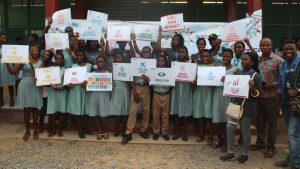
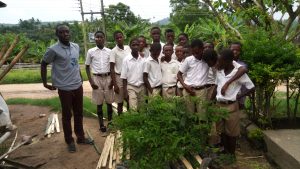
Alliance for Environmental Intervention, (AfEI) joins the VSO ICS Ghana Alumni team to occasionally embark on the SDG drive in some second cycle and basic schools in the country to sensitise the students or pupils on the Sustainable Development Goals.
The cons and causes of particle pollution in Ghana
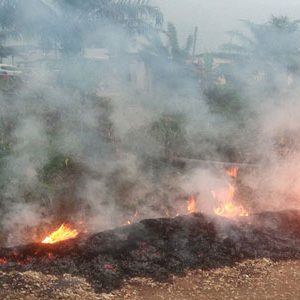
Particle pollution or particulate matter (P.M.), is defined as a complex mixture of extremely small particles and liquid droplets that get into the air. Outdoor pollution is a mixture of chemicals, particulate matter, and biological materials that react with each other to form tiny hazardous particles.
Restocking our Carbon Sink
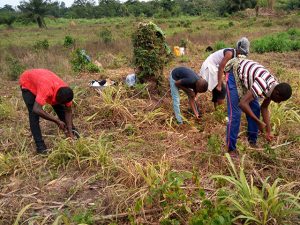
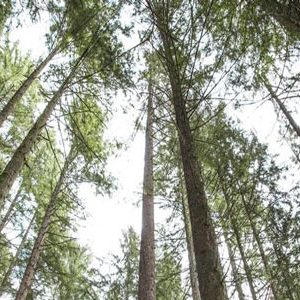
It is worth noting that the Ghanaian people have been engaging themselves acts that continuously pose threat to Ghana’s natural resources at varying degrees. We have been losing our forest cover to the logging of trees for timber and burning of charcoal, which has been going on for years without replacement/replanting.
World Environment Day, 2017
The 2017 World Day for Environment, a UN international observation which under the theme "Connect with nature", saw the team of Alliance for Environmental Intervention also part-taking in it.
Acting on climate
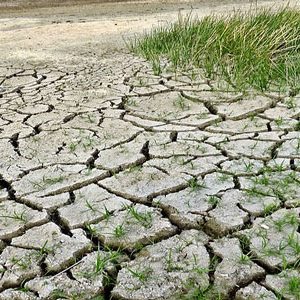
With just one rainfall season, the upper west region happens to be one of Ghana’s driest regions with temperatures sometimes reaching as high as 40°C.